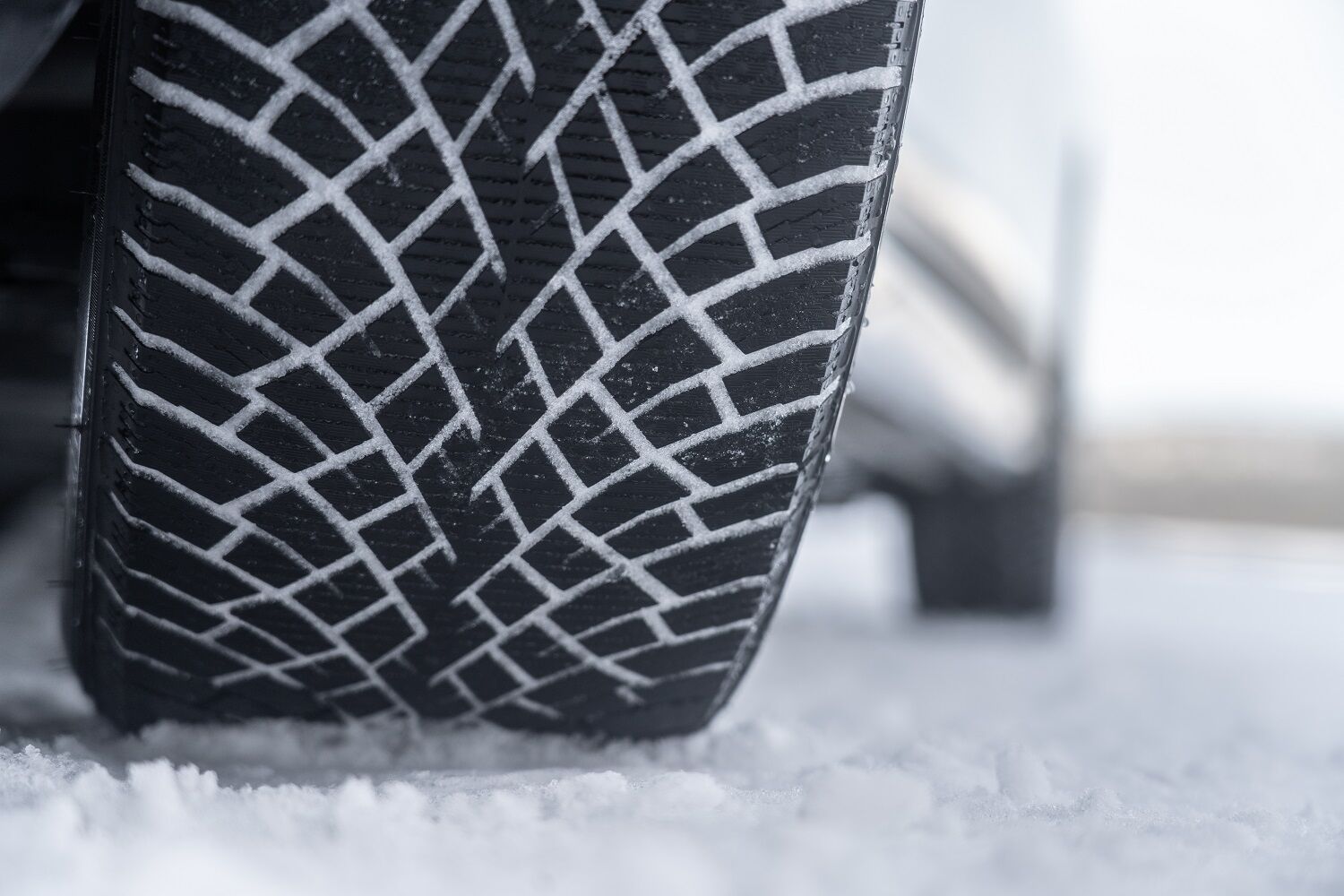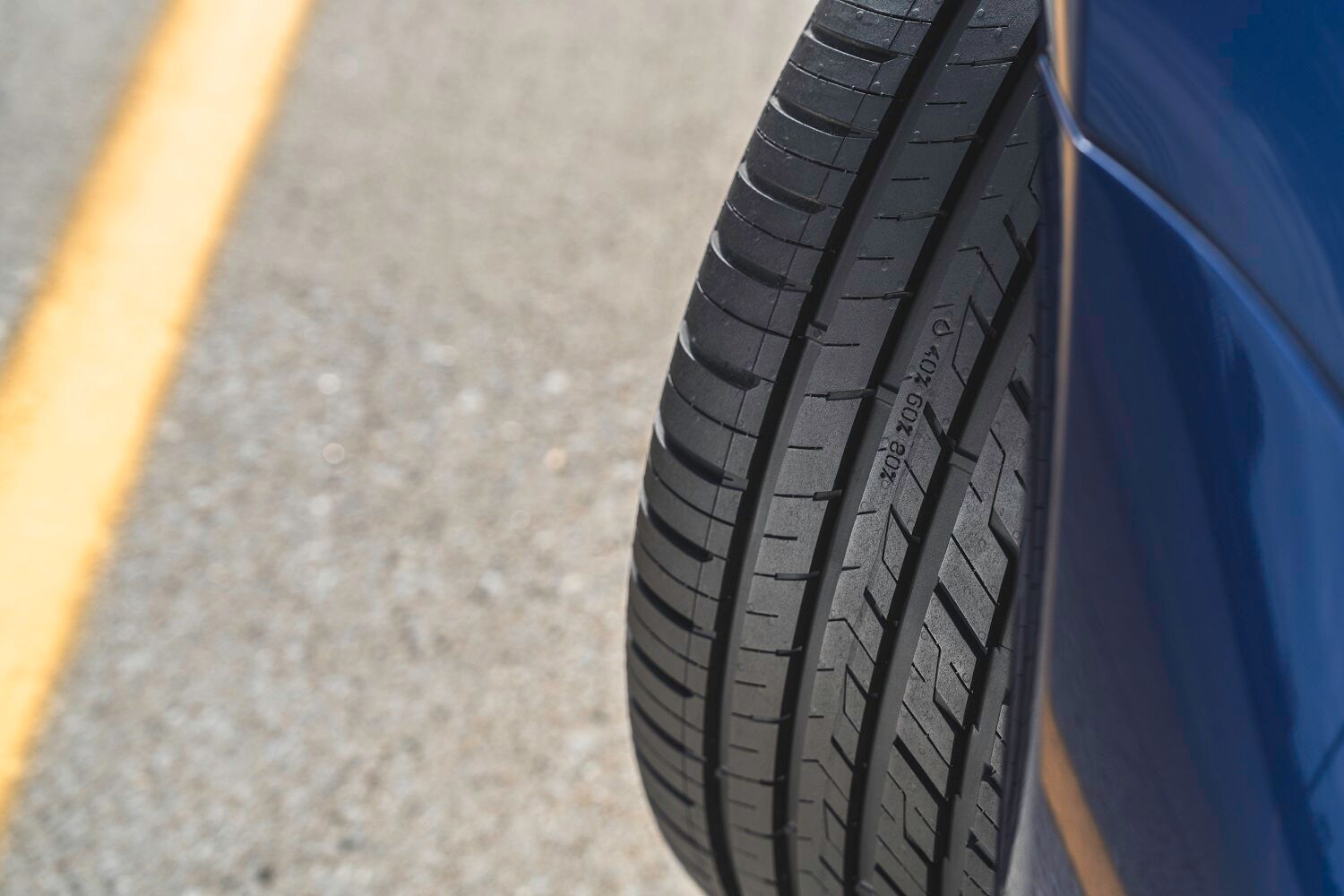
All season tire compounds and tread patterns are built for high performance and durability on spring and summer roads, but they are not designed to drive in snow and ice. Find out why.
Are all-season tires safe for winter?
All season tires are not meant for winter roads in many parts of North America. Their rubber compounds and tread patterns are built for high performance and durability on spring and summer roads, but they are not designed to drive in snow and ice.
In fact, even when roads are dry, all season tires tend to lose much of their grip when temperatures fall below 45 degrees Fahrenheit [7 degrees Celsius], which hardens their rubber compounds and lowers their responsiveness to the road.
Drivers who want ultimate winter safety have two other options: dedicated winter tires for those who experience severe winter weather, or all weather tires, which are rated for winter use but suitable to drive year round in areas where winter is unpredictable. This winter rating, called the Three Peak Mountain Snowflake, is one of the key differences between all season vs all weather tires.
Nokian Tyres all-weather tires are each emblazoned with the 3PMSF symbol, meaning they're certified for performance in winter conditions.
Are all-weather tires safe for winter?
Yes, you should consider all-weather tires for year-round performance if you live in a region that experiences snowfall during the year.
Nokian Tyres invented the winter tire and created the first all weather tire. We’ve made six generations of the latter, including our most recent Nokian Tyres Remedy WRG5.
Our all weather tires feature the severe service emblem (also known as the three peak mountain snowflake), which indicates they meet the necessary standards to be certified in winter weather. The symbol also indicates the tires are legal for winter driving in places that require winter tires during that season.
How do you know if you're a fit for all weather tires? They're a good fit for you if:
-
You experience occasional snow and ice, or if winter temperatures frequently drop below 45 degrees Fahrenheit (7 degrees Celsius)
-
You live near mountains or other areas with unpredictable winter weather (we’re talking to you, Colorado residents)
-
You don't get enough snow and ice to justify dedicated winter tires, which are still the best option in areas with frequent winter weather
All-weather vs. winter tires: Are winter tires really necessary?
If you live in an area that often experiences severe winter weather, yes. Dedicated winter tires like the studded Nokian Tyres Hakkapeliitta 01 or non-studded Nokian Tyres Hakkapeliitta R5 are still the safest choices for regions experiencing snowy and icy roads in the wintertime.
If you live in a region where you receive a rare or occasional snowfall during the winter, but not sustained icy and snow roads, all-weather tires could be a perfect year-round solution for you.
If your weather is mild year round - rarely experiencing snow - then all-season tires like the Nokian Tyres One (for passenger cars) or Nokian Tyres One HT (for light trucks and SUVs) are a great choice to provide peace of mind for you to enjoy every journey!
The next time someone suggests that all season tires have you covered in snow and ice, you can kindly inform them that there's a better, safer way: all weather tires -- and that Nokian Tyres specializes in it.
Please remember that it is the driver’s responsibility to ensure their tires are safe and suitable for their vehicle and to follow the vehicle’s manufacturer´s guidelines for proper use and maintenance. Consult your closest Nokian Tyres dealer or your vehicle’s manufacturer for specific advice.