All-wheel drive is helpful, but it’s not a silver bullet. And it’s certainly not a replacement for the right tires.
At Nokian Tyres, we love smart technology and we appreciate what all-wheel drive can do. But we also believe in telling drivers the whole truth. Especially when it comes to winter driving.
Because here’s the reality: all-wheel drive is helpful, but it’s not a silver bullet. And it’s certainly not a replacement for the right tires.
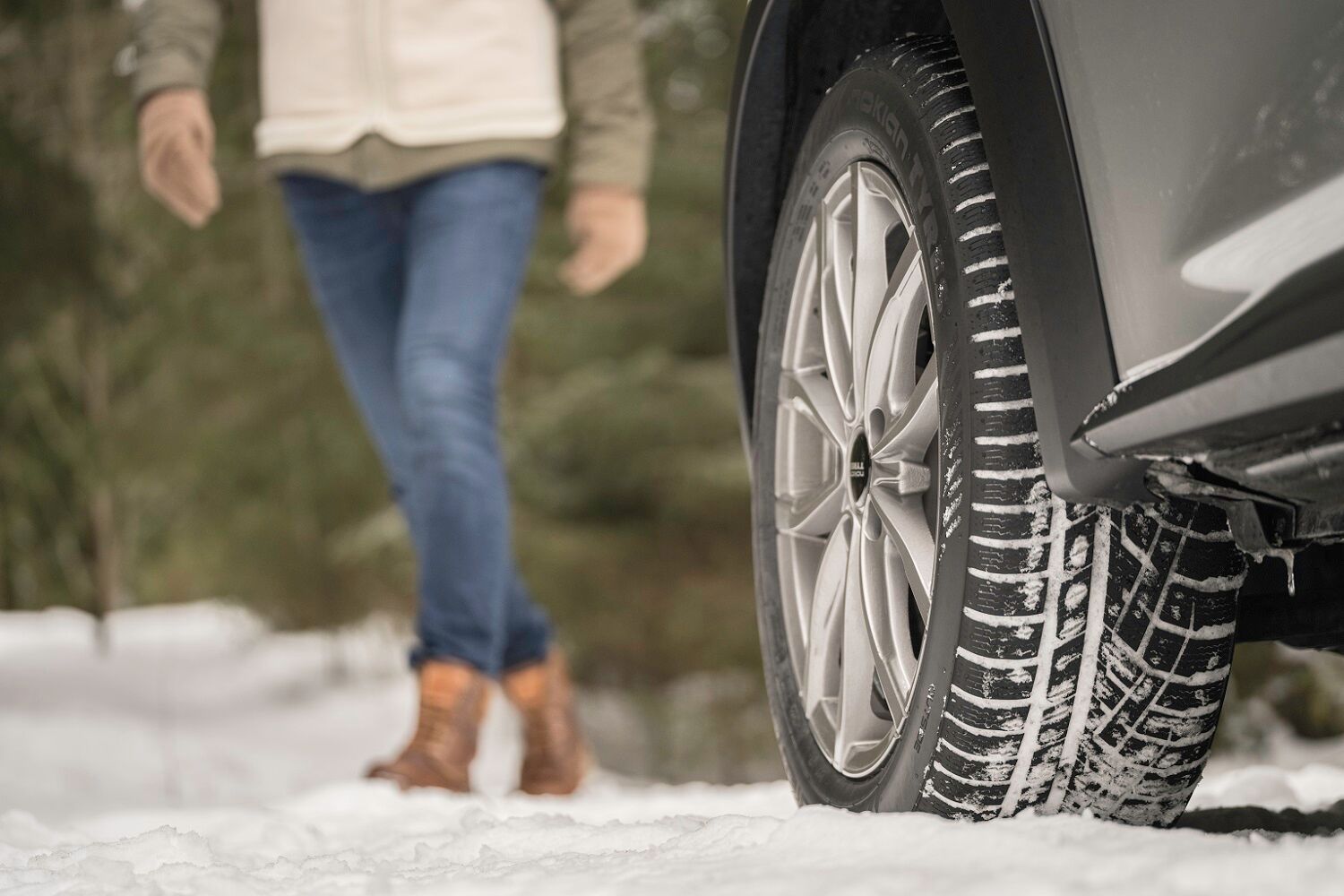
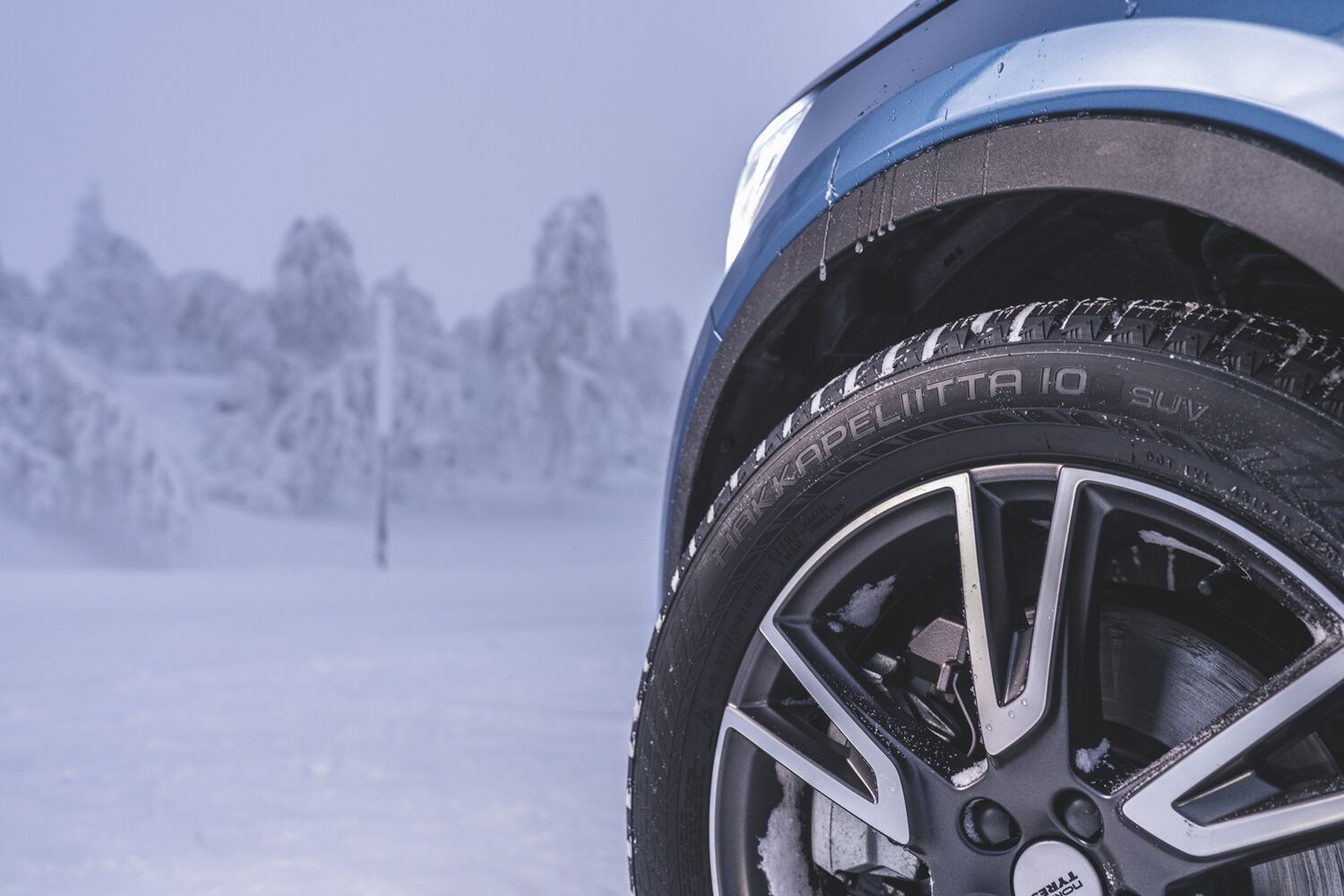
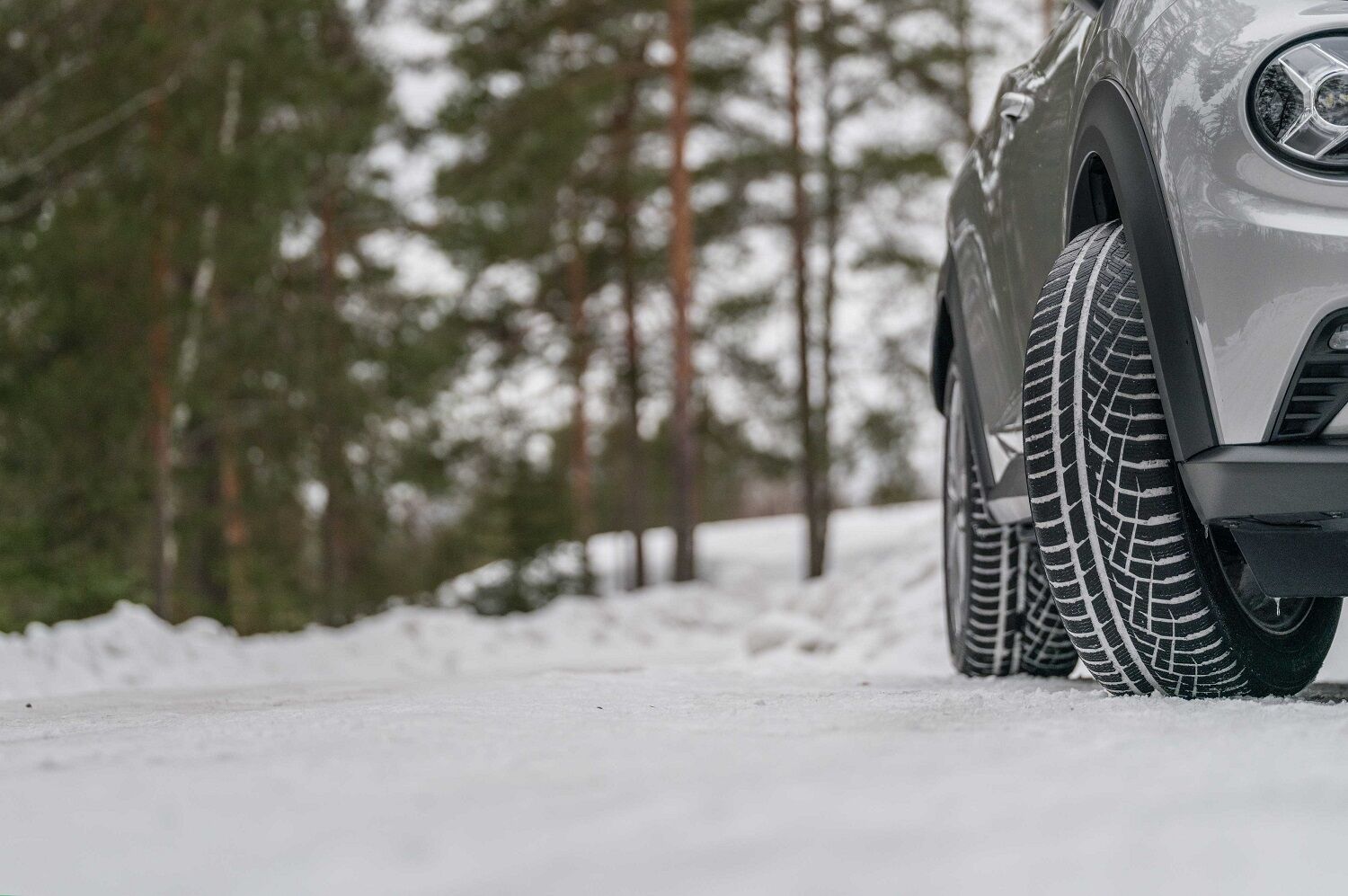
Let’s start with the most important principle of driving – one that’s easy to overlook in a world of advanced drivetrains and dashboard badges. The tire is the only part of your vehicle that actually touches the road. Not your engine. Not your drivetrain. Not your traction-control software. Four small contact patches, about the size of your palms, are all that stand between you and the surface beneath you.
That’s why the smartest pairing on the road isn’t all-wheel drive alone. It’s all-wheel drive combined with the right tires.
What All-Wheel Drive Does Well + What It Doesn’t
All-wheel drive helps you get moving. It distributes power to multiple wheels so you can accelerate more easily on slippery surfaces. That’s useful when pulling away from a snowy intersection or climbing a slick hill.
But here’s the part that often gets lost in marketing messages: it’s called “all-wheel drive,” not “all-wheel stop.”
All-wheel drive doesn’t help you brake faster. It doesn’t help you corner better. And it doesn’t magically create grip where none exists. If your tires can’t maintain traction, all-wheel drive simply sends power to four wheels that are sliding instead of two.
In winter conditions such as ice, packed snow, slush and freezing rain, traction is everything. And traction comes from the tires.
Why Tires Matter More Than You Think
Winter driving demands flexibility, grip and control in conditions that change by the mile and by the minute. Cold temperatures alone can dramatically reduce the performance of tires that aren’t designed for them. Rubber compounds harden, tread blocks lose their ability to grip, and stopping distances increase.
That’s exactly why Nokian Tyres invented the winter tire. We saw early on that northern driving conditions required a tire built specifically for winter – not a compromise. That innovation continues to guide everything we do today.
A vehicle equipped with proper winter or all weather tires will almost always outperform an all-wheel-drive vehicle riding on tires that aren’t up to the task. This isn’t theory. It’s physics.
The Limits of Confidence
One of the biggest risks of all-wheel drive is psychological. It can create a false sense of security. Drivers feel unstoppable as they accelerate confidently, only to discover that stopping and turning require just as much grip as going forward.
The right tires don’t just improve performance; they improve predictability. They communicate with the road, giving you feedback you can trust when conditions deteriorate.
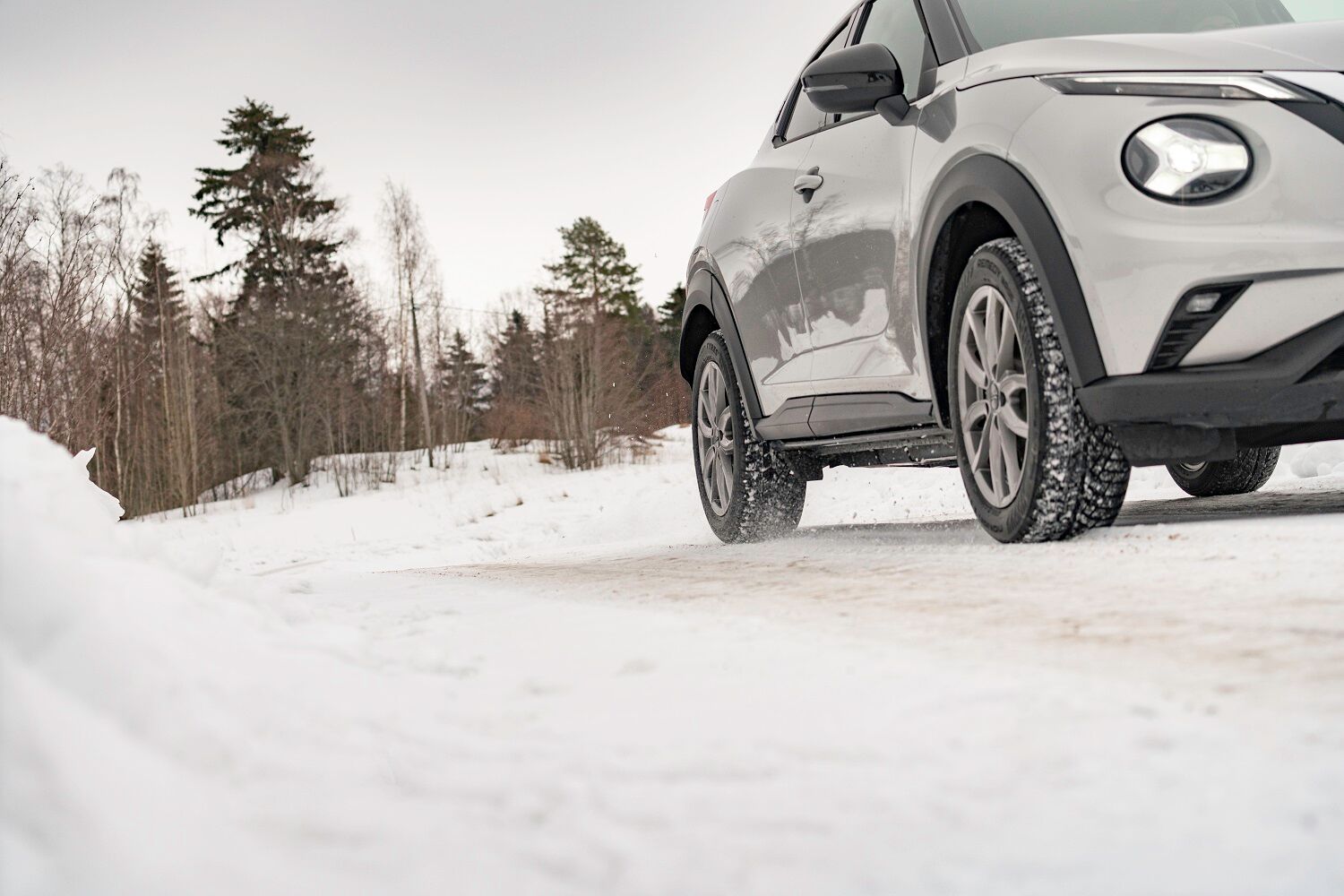
Built for Real Roads, Real Drivers
At Nokian Tyres, we design tires for the realities of everyday driving. From our factory in Dayton, Tennessee, we ship all season, all weather and all terrain tires tailored to North American roads and weather conditions. That includes winters that are unpredictable, messy, and unforgiving.
We believe technology works best when it’s intelligently paired.
All-wheel drive can be a valuable tool, but only when it’s supported by tires engineered for the conditions you actually face.
The All-Wheel Drive Bottom Line
All-wheel drive isn’t overrated because it’s useless. It’s overrated because it’s often misunderstood.
If you want true confidence in winter, start where the rubber meets the road. Choose tires designed to grip when temperatures drop, roads glaze over and conditions turn challenging. Pair them with all-wheel drive if you have it…but never expect all-wheel drive to do the tire’s job.
Because no matter how advanced your vehicle is, it can only perform as well as the tires beneath it.
Ready to pair the right set of tires with your all-wheel-drive vehicle?
Please remember that it is the driver’s responsibility to ensure their tires are safe and suitable for their vehicle and to follow the vehicle’s manufacturer´s guidelines for proper use and maintenance. Consult your closest Nokian Tyres dealer or your vehicle’s manufacturer for specific advice.